Rishikesh Adventure Planner
Select the adventures you want to experience in Rishikesh. We'll calculate the estimated time required and suggest a schedule.
White Water Rafting
Grade II-IV rapids on Ganges. 16km stretch.
Medium Thrill ~4 HoursBungee Jumping
83m drop at Mohanchatti. Certified operators only.
Extreme Thrill ~2 HoursFlying Fox & Swing
Zip-line across valley up to 40 km/h.
High Thrill ~1 HourNag Tibba Trek
3-day trek to 9,915 ft peak. Pine forests.
Moderate Effort ~3 DaysKunjapuri Temple Trek
Half-day steep climb with Himalayan views.
Low Intensity ~4 HoursRiverside Camping
Stay near the river. Great for stargazing.
Relaxed OvernightSelect activities to see your itinerary.
Recommended Schedule
You’ve probably heard the term thrown around in travel blogs and Instagram captions. But is there really a single adventure capital of India? While cities like Manali or Leh-Ladakh give it a run for their money, one place consistently takes the crown: Rishikesh, a holy city nestled in the foothills of the Himalayas where the Ganges River meets the plains. If you’re looking to get your adrenaline pumping without needing an expedition team or six months of training, this is your spot.
Why Rishikesh Holds the Title
It’s not just about having a few zip-lines. Rishikesh earned its reputation because it offers a dense concentration of high-octane activities within a small geographic radius. You can go from meditating by the river at dawn to free-falling off a bridge at noon. The infrastructure here has matured over decades, meaning safety standards are generally higher than in newer, more remote spots. Plus, the backdrop? Snow-capped peaks and roaring rapids make every photo look like a movie poster.
While other regions specialize in specific niches-like Ladakh for motorbiking or Coorg for coffee plantation treks-Rishikesh is a buffet. It caters to the hardcore thrill-seeker and the casual adventurer equally well. This versatility is what cements its status as the go-to destination for anyone asking, "Where should I go for adventure in India?"
| Destination | Primary Activities | Best For | Accessibility |
|---|---|---|---|
| Rishikesh | Rafting, Bungee Jumping, Trekking, Camping | All levels, short trips | High (Nearest airport: Dehradun) |
| Ladakh | Motorbiking, High-altitude Trekking, Mountain Climbing | Experienced travelers, long trips | Moderate (Seasonal roads) |
| Manali | Skiing, Paragliding, Trekking | Families, Winter tourists | High |
| Kerala Backwaters | Houseboating, Kayaking, Wildlife Safaris | Relaxed adventure, Nature lovers | Very High |
The Big Three: Rafting, Bungee, and Flying Fox
If you visit Rishikesh and don’t do these three things, did you even go? Let’s break them down so you know what to expect.
White Water Rafting on the Ganges
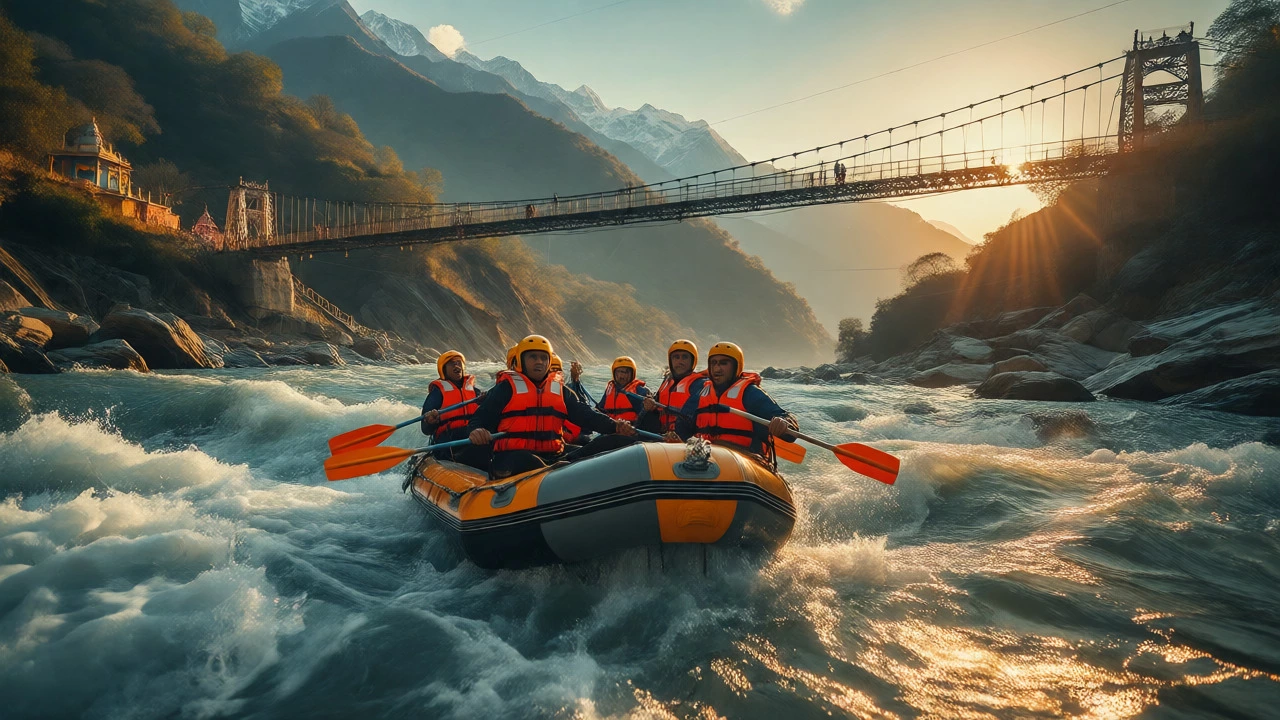
This is the bread and butter of Rishikesh adventures. The stretch of the Ganga River near Rishikesh offers rapids ranging from Grade II to Grade IV. Depending on your nerve level, you can choose different stretches. The most popular route runs from Shivpuri to Nim Beach, covering about 16 kilometers. Expect to spend 3-4 hours on the water. Guides will brief you on paddling techniques, but honestly, mostly you’ll be screaming and laughing. The best time? October to June when the water levels are perfect-not too low, not dangerously high.
Bungee Jumping at Mohanchatti
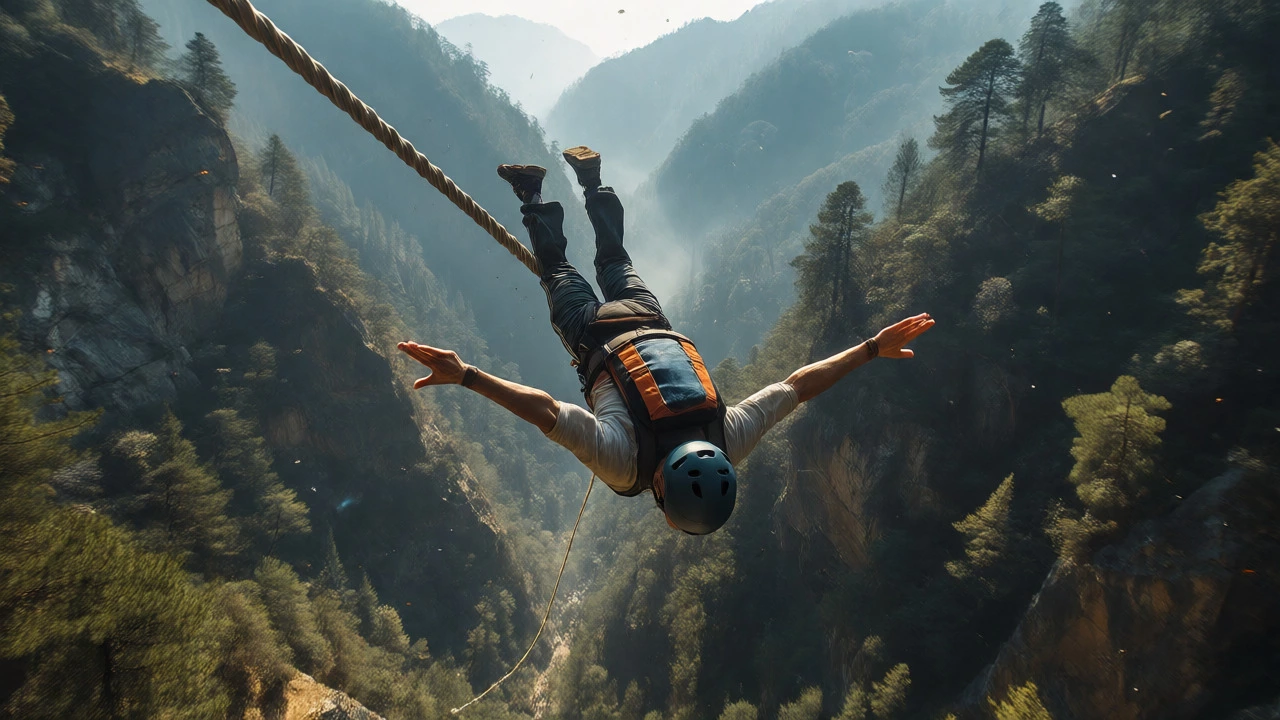
Standing on the edge of a platform, 83 meters above a valley, makes you question every life choice leading up to that moment. But once you jump, the fear turns into pure euphoria. The operators here use dual-cord systems for safety, which means you bounce back up rather than dangling helplessly. It’s not cheap-it usually costs between ₹3,500 and ₹4,500-but it’s a bucket-list item for many. Make sure you book with certified operators who display their safety records clearly.
Flying Fox and Giant Swing
Not ready for a full fall? Try the Flying Fox. It’s essentially a zip-line that sends you gliding across the valley at speeds up to 40 km/h. It’s less intense than bungee jumping but still gives you that stomach-drop sensation. Many packages combine this with the Giant Swing, where you’re harnessed and swung out over the cliff face. It’s great for couples or friends who want to share the experience without one person passing out from fear.
Trekking Options Beyond the City Limits
Since you’re interested in trekking places india, you might think Rishikesh is just about water sports. Wrong. The surrounding Garhwal region is a trekker’s paradise. Here are two trails worth your time:
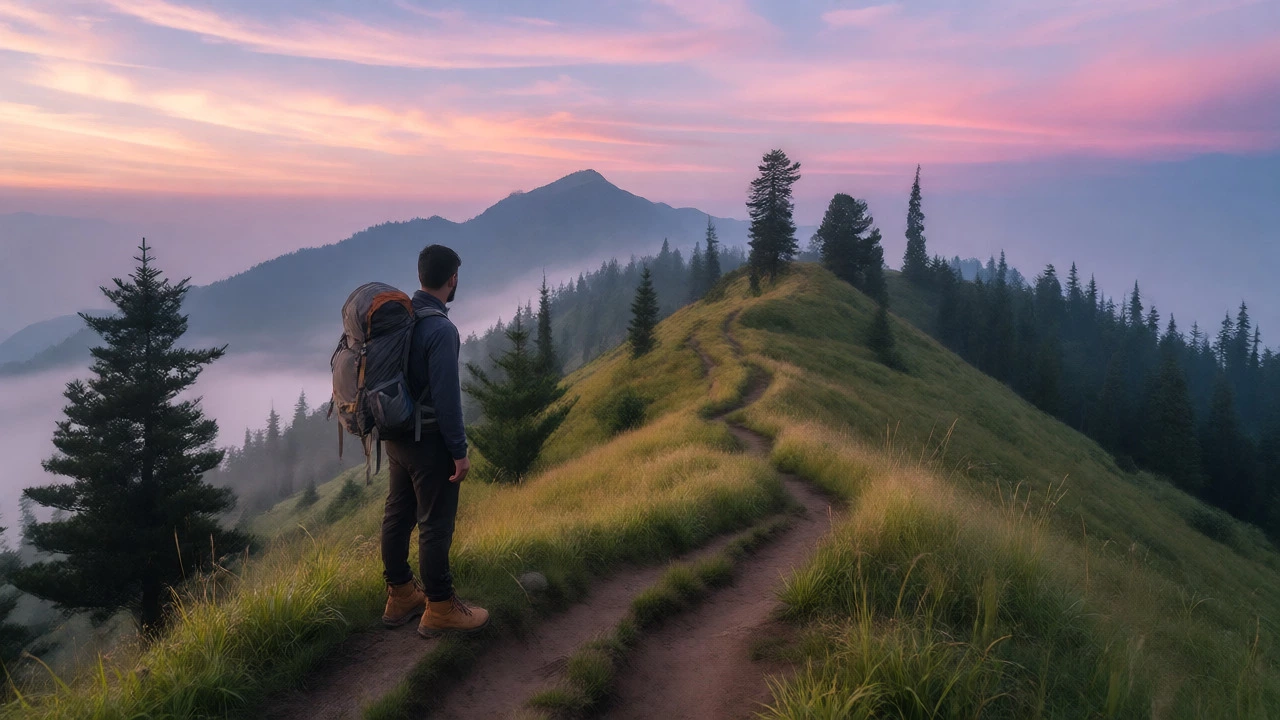
- Nag Tibba Trek: A moderate 3-day trek starting from Ghatsila village. It takes you through pine forests and meadows to the highest peak in the area (9,915 ft). The views of Swargarohini Peak are insane. Best done in spring or autumn.
- Kunjapuri Temple Trek: A shorter, steep climb that gets you to a temple with panoramic views of the Himalayas. It’s a half-day affair, perfect if you’re staying in town and want a quick workout with a view.
For those wanting something more rugged, head towards Uttarkashi or Gangotri for multi-day expeditions. These areas offer glacier treks and high-altitude passes that require better fitness and preparation.
When to Go and What to Pack
Timing matters. If you go during the monsoon (July-August), the rivers swell, making rafting dangerous and often closed. Winters (December-January) are cold, especially at night, but great for camping under the stars. The sweet spot is March to May or September to November. The weather is pleasant, the skies are clear, and the rivers are flowing nicely.
Pack light but smart. Quick-dry clothes are essential if you’re rafting. Good hiking boots with ankle support are non-negotiable for treks. Don’t forget sunscreen-the UV index in the mountains is deceptive; you burn faster than you think. And bring cash. While digital payments are common in town, remote campsites and smaller activity vendors often prefer cash.
Safety First: Avoiding Tourist Traps
Because Rishikesh is popular, it attracts some shady operators. Here’s how to stay safe:
- Check Certifications: For bungee and rafting, ensure the operator is affiliated with recognized bodies like the Indian Association of Mountaineering or similar safety councils.
- Inspect Gear: Look at the harnesses and helmets. Are they frayed? Do they smell like old sweat? Trust your nose and eyes.
- Read Reviews: Check recent reviews on travel platforms. Look for comments about safety incidents or rude guides.
- Weather Watch: Always check the weather forecast before heading out. Mountain weather changes fast. If the guide says it’s risky, listen to them. No photo is worth your life.
Also, respect the local culture. Rishikesh is a spiritual hub. Dress modestly when visiting temples, and avoid alcohol in certain zones if you’re staying in ashram-style accommodations. Balancing the party vibe with the spiritual atmosphere is part of the charm.
Final Thoughts
So, is Rishikesh truly the adventure capital? For most people, yes. It offers the perfect mix of accessibility, variety, and thrill. Whether you’re plunging into icy waters or leaping off bridges, the energy here is infectious. Just remember: adventure isn’t just about the activity; it’s about how you prepare and respect the environment. Plan wisely, pack right, and you’ll have stories to tell for years.
Is Rishikesh suitable for beginners?
Yes, absolutely. Many activities like Grade II rafting, easy treks, and camping are designed for first-timers. Operators provide thorough briefings and equipment, so no prior experience is needed for most entry-level adventures.
How much does bungee jumping cost in Rishikesh?
As of 2026, prices typically range from ₹3,500 to ₹4,500 per person. This usually includes insurance, video/photo packages (sometimes extra), and safety gear. Prices may vary slightly based on the season and the specific operator.
What is the best time for rafting in Rishikesh?
The ideal months are from March to June and September to November. During these periods, the water flow is consistent and safe. Monsoon season (July-August) often sees rafting suspended due to high water levels and strong currents.
Are there age restrictions for adventure sports?
Generally, participants must be at least 12 years old for rafting and 14-16 for bungee jumping, depending on weight requirements. There is usually an upper age limit of 60-65 for high-intensity activities, subject to medical fitness. Always check with the specific operator.
Can I do all major activities in one day?
It’s possible but exhausting. Most people split it over two days. For example, do rafting in the morning and bungee/flying fox in the afternoon, or vice versa. Trying to cram everything into one day leaves little time for enjoyment and increases fatigue-related risks.