Taj Mahal Visit Cost Estimator
Enter your details and click calculate to see your estimated visit cost.
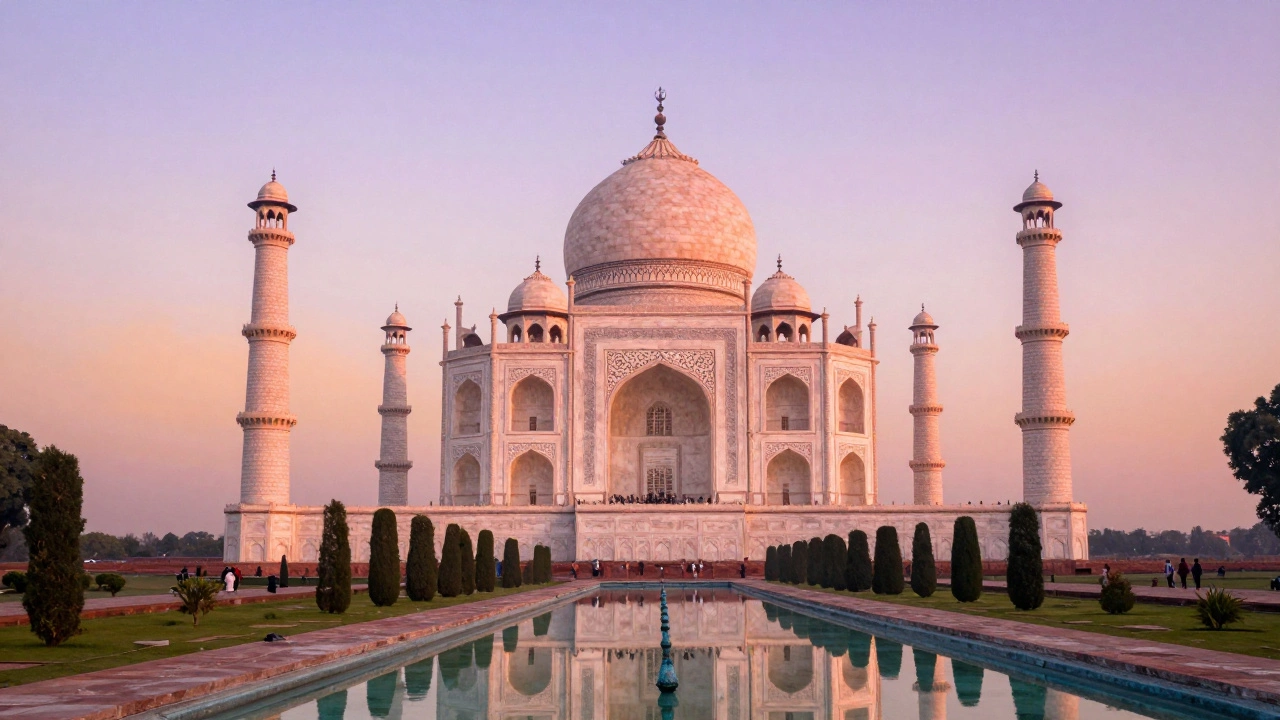
Ask anyone to name the single most famous monument in India, and you’ll get the same answer almost every time: Taj Mahal is a white marble mausoleum located in Agra, Uttar Pradesh, built by Mughal emperor Shah Jahan in memory of his wife Mumtaz Mahal. It dominates postcards, travel blogs, and school textbooks alike. But calling it just "famous" undersells what makes it the undisputed number one historical place in India. It isn’t just a pretty building; it is a masterpiece of architecture, a symbol of eternal love, and a site that draws millions of visitors annually from every corner of the globe.
If you are planning a trip or simply curious about why this specific site holds such a heavy crown, you need to look beyond the surface. The title of "No. 1" comes from a mix of architectural brilliance, cultural significance, and sheer scale. Let’s break down exactly why the Taj Mahal sits at the top of the list and how it compares to other contenders like the Red Fort or the Ajanta Caves.
The Story Behind the Stone
To understand why the Taj Mahal resonates so deeply with people, you have to know the story behind its creation. In 1631, Empress Mumtaz Mahal, the favorite wife of Shah Jahan, died during childbirth. Devastated, the Emperor ordered the construction of a tomb that would be unlike anything the world had ever seen.
This wasn't a quick project. It took approximately 22 years to complete, involving over 20,000 artisans, masons, calligraphers, and laborers brought from across Asia. They worked on stone carving, dome construction, and intricate inlay work. The result was finished in 1653. The cost at the time was estimated at 32 million rupees, which would be hundreds of millions of dollars today when adjusted for inflation. This massive investment of time, money, and human skill set a precedent that no other Indian monument has matched in terms of singular dedication.
Architectural Perfection: Why It Stands Out
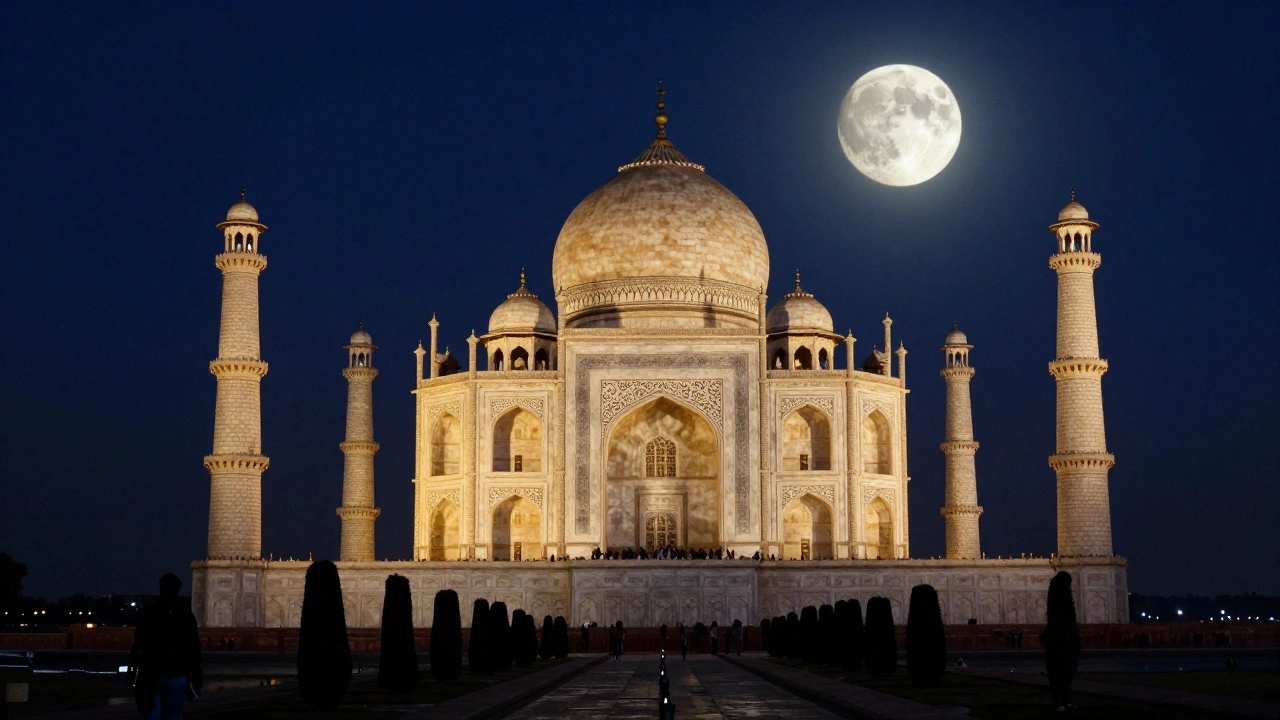
What makes the Taj Mahal technically superior to many other historical sites is its symmetry and use of materials. Unlike the rugged red sandstone of the Red Fort in Delhi or the cave carvings of Ajanta and Ellora Caves, the Taj Mahal is constructed primarily of white Makrana marble. This material changes color depending on the time of day-pinkish in the morning, milky white in the evening, and golden under the moonlight.
The design follows strict bilateral symmetry. If you were to fold an image of the main structure in half, both sides would match perfectly. The only exception is the tomb of Shah Jahan himself, which lies beside Mumtaz Mahal, breaking the symmetry slightly but adding to the narrative of their union in death. Key architectural features include:
- The Central Dome: Standing 73 meters (240 feet) high, it is one of the largest domes in the world.
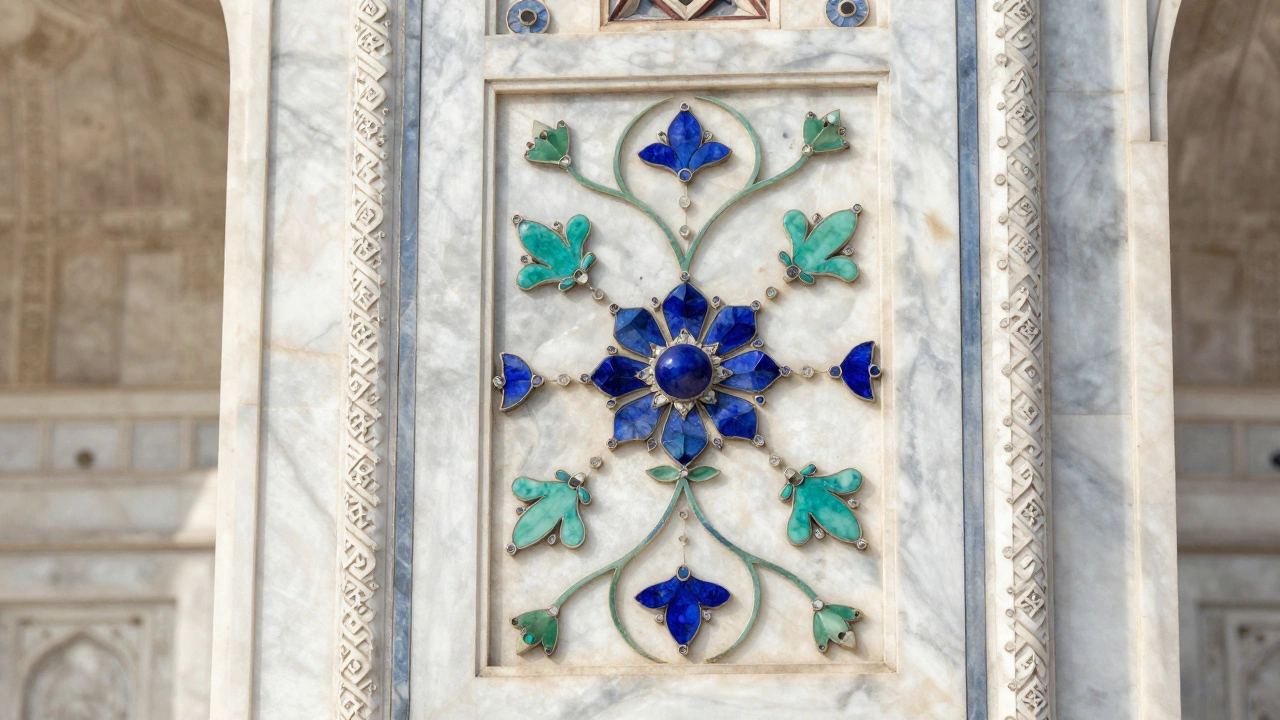
- Pietra Dura: Intricate inlay work using semi-precious stones like lapis lazuli, turquoise, jade, and crystal to create floral patterns.
- Calligraphy: Verses from the Quran are carved into black marble bands around the archways, with letters increasing in size as they go higher to appear uniform from the ground.
This level of detail requires a precision that few other historical sites possess. While the Hampi Ruins offer vastness and the Qutub Minar offers height, neither combines aesthetic beauty with structural engineering quite like the Taj.
| Site Name | Location | Key Feature | Visitor Appeal |
|---|---|---|---|
| Taj Mahal | Agra, UP | White Marble Symmetry | Global Icon, Romance |
| Red Fort | Delhi | Mughal Military Architecture | Historical Significance |
| Ajanta Caves | Maharashtra | Ancient Buddhist Paintings | Art & Religion |
| Hampi | Karnataka | Vijayanagara Empire Ruins | Adventure & History |
UNESCO Status and Global Recognition
In 1983, the United Nations Educational, Scientific and Cultural Organization (UNESCO) declared the Taj Mahal a World Heritage Site. It was one of the first Indian sites to receive this honor. The citation specifically mentions it as "the jewel of Muslim art in India and one of the universally admired masterpieces of the world's heritage." This global stamp of approval cements its status as the No. 1 site because it transcends national borders. People who have never visited India still recognize its silhouette.
Compare this to other great sites. The Khajuraho Temples are renowned for their erotic sculptures, and the Sun Temple at Konark is an engineering marvel shaped like a chariot. However, none have achieved the same level of brand recognition worldwide. The Taj Mahal appears on currency notes, stamps, and logos globally, reinforcing its primary position in the public consciousness.
Practical Guide: Visiting the Number One Site
Knowing it is the best is one thing; visiting it without frustration is another. Because it is the most popular, it can be overwhelming. Here is how to make the most of your visit.
Best Time to Visit
The ideal months are October to March. During summer (April to June), temperatures in Agra can soar above 45°C (113°F), making the outdoor experience exhausting. Winter mornings are crisp, and the light hits the marble beautifully. Avoid Indian holidays like Diwali or Eid if possible, as crowds will be immense.
Entry and Timings
The complex is open five days a week, closed on Fridays. It opens 30 minutes before sunrise and closes 30 minutes after sunset. There is a separate night viewing schedule on full moon nights (except Ramadan), which offers a magical, quieter atmosphere but requires advance booking.
- Indian Citizens: Approximately ₹110
- Foreign Tourists: Approximately ₹1,100 (prices subject to change)
- Children under 15: Free entry
Pro Tips for a Better Experience
- Book Online: Skip the ticket counter queue by purchasing e-tickets through the official Archaeological Survey of India website.
- Start Early: Arrive right at opening time. You will have the gardens mostly to yourself, and the photos will be crowd-free.
- Security Check: Security is tight. Do not bring large bags, tripods, drones, or food items. Small cameras and phones are allowed.
- Hire a Guide: A licensed guide can explain the symbolism of the pietra dura and the calligraphy, turning a visual sightseeing trip into an educational journey.
Why Other Sites Don't Take the Crown
India is rich in history. So why doesn't the Gateway of India in Mumbai or the Victoria Memorial in Kolkata take the top spot? It comes down to uniqueness and emotional weight. Colonial-era buildings, while impressive, are found in many former British colonies. The Taj Mahal is uniquely Indian in its fusion of Persian, Islamic, and Indian architectural styles.
Even ancient sites like Sanchi Stupa lack the polished finish and romantic narrative that drives mass tourism. The Taj Mahal tells a story everyone understands: love and loss. That universal theme, combined with its physical perfection, keeps it firmly at number one.
Is the Taj Mahal really the most visited monument in India?
Yes, consistently. It attracts between 7 to 8 million visitors annually, far surpassing other historical sites like the Red Fort or Qutub Minar. Its global fame ensures a steady stream of international tourists alongside domestic travelers.
Can I see the Taj Mahal at night?
Night viewing is available on five days a month: the day of the full moon and two days before and after it. It is closed during the holy month of Ramadan. Tickets must be booked in advance online as slots fill up quickly.
How long does it take to visit the Taj Mahal?
Most visitors spend 2 to 3 hours. This includes walking through the gardens, viewing the exterior, entering the main mausoleum (which may have a short queue), and exploring the mosque and guest house on either side. If you hire a guide, plan for at least 3 hours.
Is the Taj Mahal safe for tourists?
The monument itself is very secure with police presence and CCTV surveillance. However, like any major tourist hub, be wary of touts outside the gates offering "help" or cheap tickets. Stick to authorized guides and pre-booked transport.
What is the best photo spot for the Taj Mahal?
The classic reflection shot is taken from the middle of the central walkway in the garden. For a different angle, try the Mehtab Bagh garden across the Yamuna River, which offers a view of the Taj with the river in the foreground, especially beautiful at sunrise.